

At some stage in our life, I’m sure we have all had someone tell us that we need to replace our lost electrolytes. But what exactly does that mean and why?
As we go through our normal everyday lives, we are constantly losing bodily fluids, which are comprised of water plus a range of elements called electrolytes. This fluid loss occurs through a multitude of ways, the most common of which are going to the toilet or sweating. If we engage in strenuous physical activity or contract a stomach bug which results in diarrhea, then we increase our rate of fluid loss.
If we do not replace these lost fluids and electrolytes, then we run the risk of dehydration as well as many complications in the effective performance of our bodies. Our bodies do not produce these liquids nor electrolytes, thus we have to incorporate them into a regular consumption pattern, in accordance with our output or disease state.
What are electrolytes
In chemistry, electrolytes are defined as elements that break down into ions that carry a positive charge (cation) or negative charge (anion), thus capable of conducting electricity.
However in nutrition, they are more closely regarded as essential minerals that are found within our bloodstream and other bodily fluids, and are vital for the effective functioning of every organ within our bodies.
When anything in nutrition is called ‘Essential’, it means that our bodies cannot produce these nutrients and we have to introduce them into our system through ingesting.
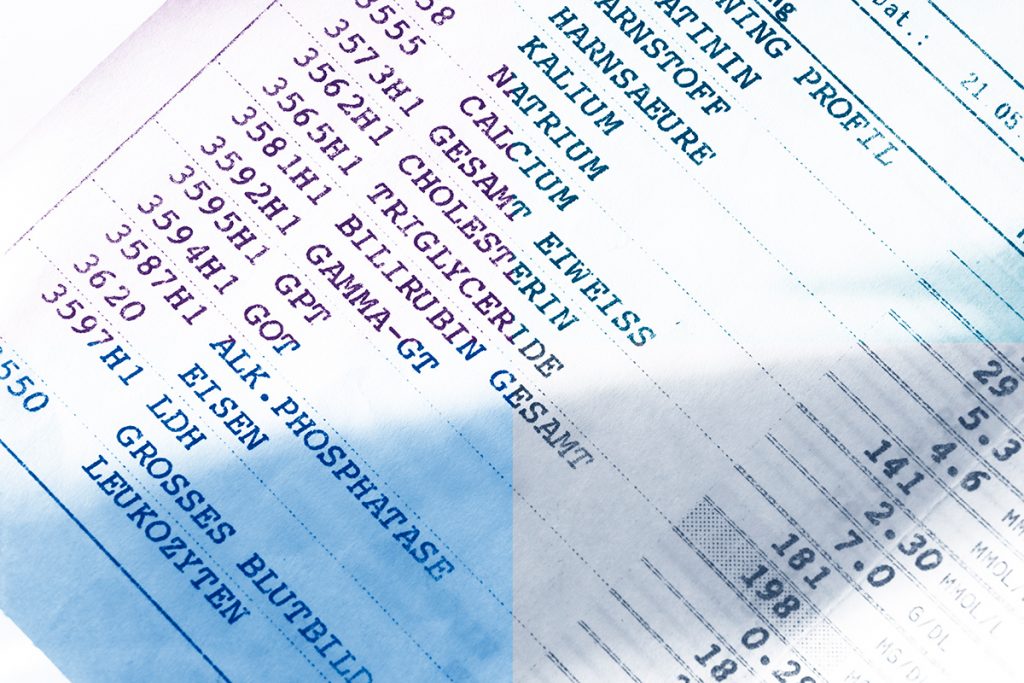
The key electrolytes found within our system are: Sodium (Na+); Potassium (K+); Chloride (Cl-); Calcium (Ca+); Magnesium (Mg+) and Bicarbonate (HCO3-). These are tested in a laboratory when your Doctor requests an Electrolyte panel of your blood sample.
Within our bodies (more importantly our cells), we have two major compartments within which these fluids are found, simply stated as extracellular (external) and intracellular (internal). The importance of this is that each compartment has different levels of electrolyte requirements in order to keep the body functioning.
Let’s take a look at 4 of the key electrolytes
Sodium, is the dominant cation found in the extracellular area. It is responsible for regulating the total volume of water within the body as well as for the transfer of Sodium into and out of individual cells. This movement of sodium is critical for the generation of electrical impulses that create communication signals within the brain, nervous system and muscular function. It is imperative then that the body maintain the appropriate balance of Sodium. Typical blood plasma levels of Sodium are between 135 – 145 milli Equivalents/liter (mEq/L) or millimoles/liter (mmol/L).
Potassium, is the dominant cation found in the intracellular area. Potassium fulfills many functions within the body, but the key role is the regulation of heartbeat and optimal functioning of all muscles. Radical increases or decreases in potassium, can severely impact the nervous system and circulatory system. Typical blood plasma levels of Potassium are between 3.5 – 5.0 milli Equivalents/liter (mEq/L), or millimoles/liter (mmol/L).
Chloride, is the dominant anion found in the extracellular area. Chloride plays its part by helping the body to balance fluid levels. Typical blood plasma levels of Chloride are 98 – 108 milli Equivalents/liter (mEq/L) or millimoles/liter (mmol/L).
Magnesium, is the fourth most abundant mineral found in our bodies. It is found mostly within our bone and cell structures, and is responsible for a multitude of functions, of which some of the key ones are energy production and structural development of bone. As an electrolyte though, Magnesium provides a critical role in the transport of Calcium and Potassium ions across cell membranes, which is a process that maintains pH blood levels and supports nerve impulses, muscle contractions, and normal heart rhythm. Typical blood plasma concentrations range between 0.75 and 0.95 milliequivalents (mEq/L) or millimoles (mmol/L).
How do we obtain electrolytes
As I mentioned in the opening section of this blog, we are often told to get our electrolytes through sports drinks. Whilst that can be a source, it is certainly not the only source.
There are an abundance of foods and beverages available that all contain various amounts of these electrolytes, also known as minerals. Eating a healthy and varied diet of unprocessed foods, fresh fruit and vegetables is a great place to start to build up your levels of each mineral. Read the product labels or do your own research on what foods you like, to give you an idea of what you are consuming.
But remember that your lifestyle and current state of health, will dictate what and how much of these minerals you will need. Of course, as an athlete or busy person working outdoors, you may need to maintain your hydration and electrolytes through combining water based drinks that contain the vital electrolytes of Sodium, Magnesium and Potassium. These kind of beverages may also contain high levels of sugars and other artificial colourants, so you need to weigh up your preferences and dietary requirements.
Aside from food and beverages, one can also find various supplements, as individual minerals like Sodium tablets or Magnesium supplements or a combination of these as powders.
So in summary, it is important to be aware, that you need to incorporate all of these various electrolyte minerals into your diet and keep them balanced. But remember that drinking water alone, may keep you rehydrated, but it won’t replenish the necessary minerals being lost in your fluids.
